
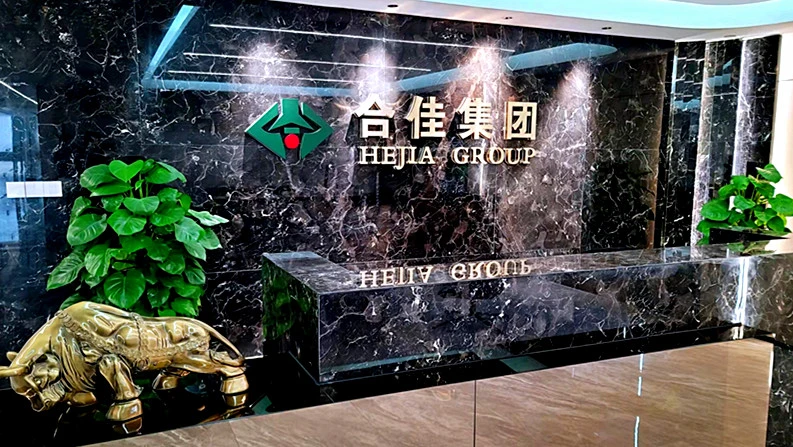
since 1999
-
1999Since
-
6Branch Office
-
900Staff
-
200Annual Income
-
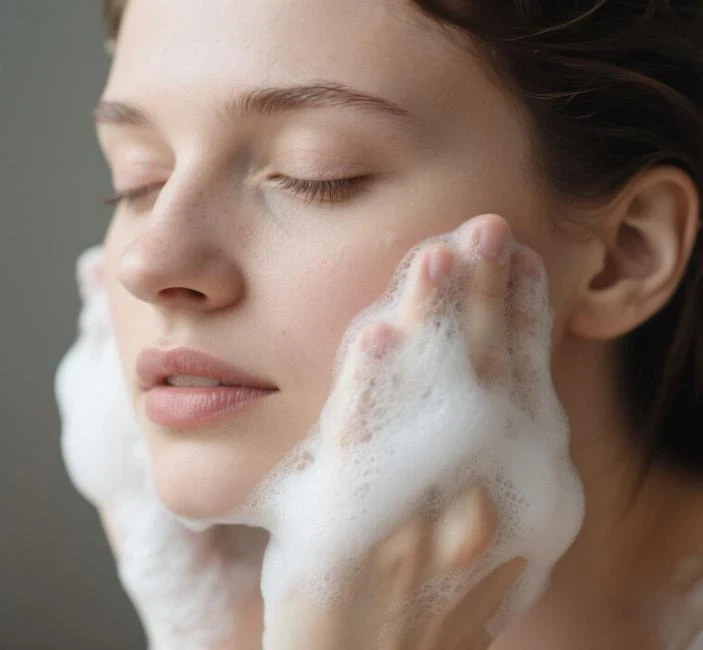 Personal CareSurfactants are essential ingredients in personal care products, such as shampoos, body washes, facial cleansers, and toothpaste. They effectively remove oil, dirt, and impurities from the skin and hair while creating a rich lather for an enjoyable user experience. Additionally, surfactants act as emulsifiers and wetting agents, improving product stability and texture to meet various skin needs and functional requirements.
 -
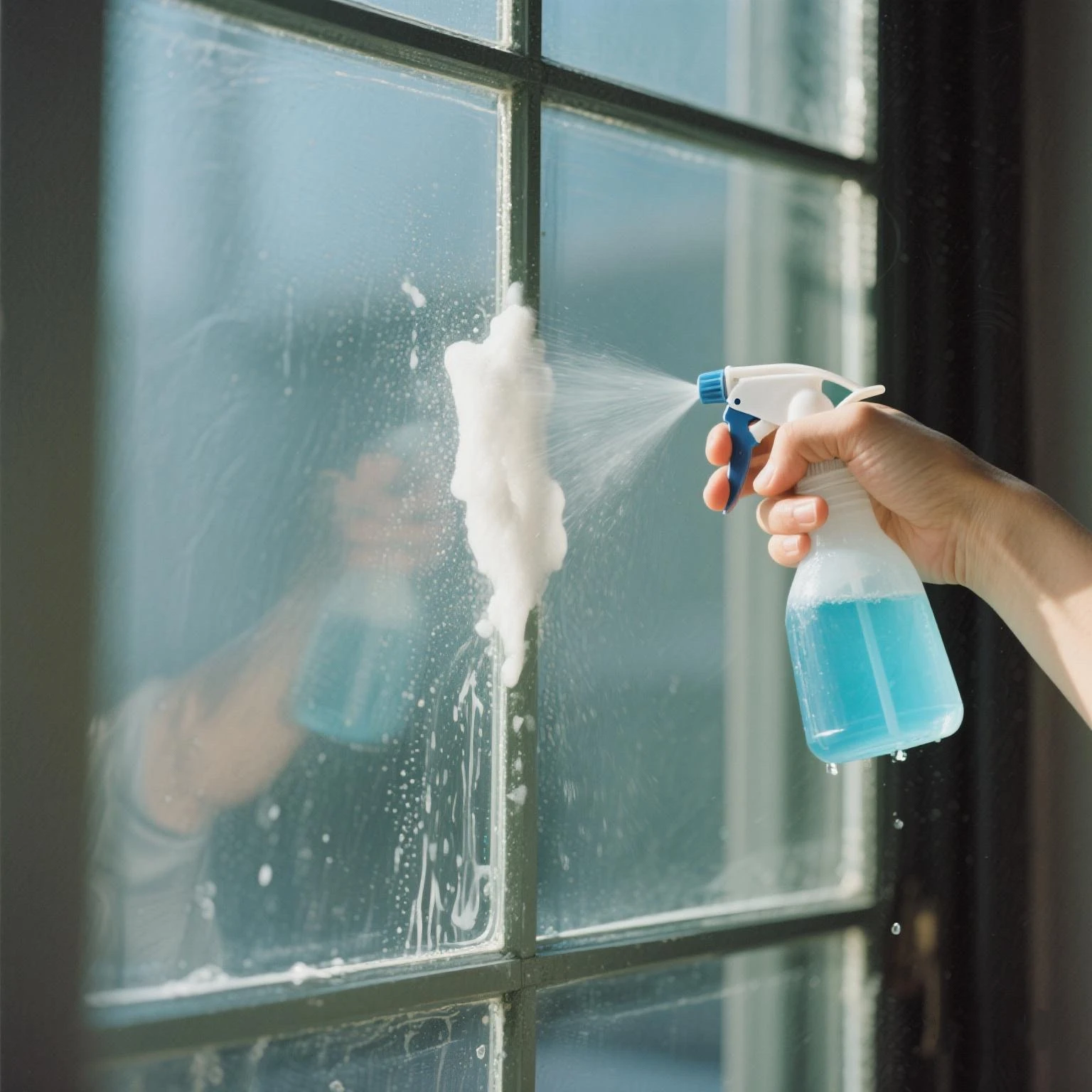 Home And I&i CleaningSurfactants are vital components in cleaning products for both household and industrial applications. They effectively break down grease, stains, and dirt, enhancing cleaning efficiency by reducing water's surface tension for deeper penetration. Whether for daily home cleaning or industrial equipment maintenance, surfactants deliver powerful and consistent performance. Their formulations can be customized to meet specific needs, such as degreasing, disinfection, or rust prevention.
 -
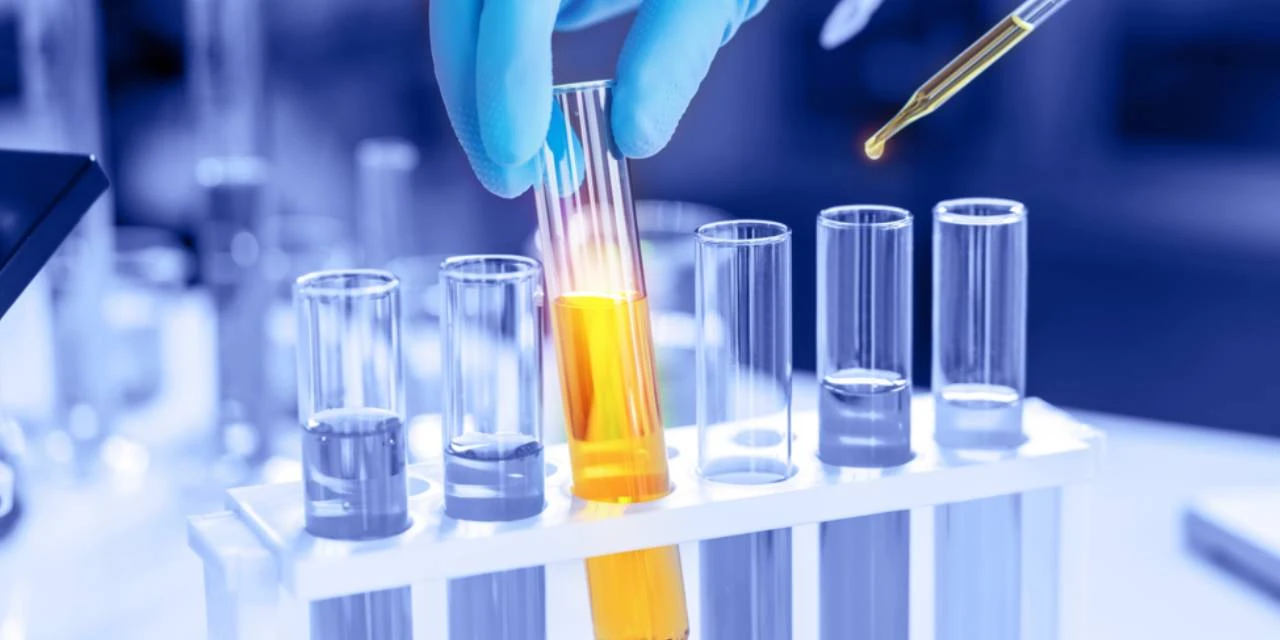
 PharmaceuticalPharmaceutical intermediates and APIs (Active Pharmaceutical Ingredients) are essential components in drug manufacturing. Intermediates serve as key building blocks for API synthesis, while APIs provide therapeutic effects in final dosage forms.
 -
 PolyurethanePolyurethane catalysts are used to accelerate foaming and gel reactions, enhancing production efficiency and product performance. It is mainly applied in fields such as furniture soft foam, automotive seats, building insulation materials and coatings.
request a quote
Complete Control Over Products Allows Us To Ensure Our Customers Receive The Best Quality Prices And Service.

“The cosmetic ingredients we purchased were top-notch in purity and consistency. Perfect for our skincare formulation line. Reliable supplier!”

Stefanie Rashford
“Their industrial cleaning agents have significantly improved our factory's sanitation process. Highly concentrated and very effective.”

Julia
“We sourced several APIs from this company and were very pleased with the documentation, quality, and prompt delivery.”

Thomas










Lauryl Glucoside for Sale – Gentle, Plant-Derived Surfactant: Lauryl Glucoside For Sale is a high-performing nonionic surfactant solution for the chemical industry, especially within fine chemicals and surfactant applications. This article explores how Hebei Hejia Pharmaceutical Technology Group Co., Ltd. supports B2B professionals with reliable, consistent supply and robust technical backing—and why this material is a smart choice for cost-effective, sustai

Capryl Caprylyl Glucoside: Gentle, Natural Surfactant & Emulsifier: The Strategic Imperative of Advanced Surfactants in B2B Applications In the rapidly evolving landscape of B2B chemical supply, the demand for high-performance, sustainable, and versatile raw materials is paramount. Among these, non-ionic surfactants derived from natural resources are gaining significant traction. One such compound, central to innovative formulations across various industries, is c
Triazine Ring - Hebei Hejia Pharmaceutical Technology Group | Agrochemicals, Pharmaceuticals, Material Science: The triazine ring, a six-membered aromatic heterocyclic compound containing three nitrogen atoms, has emerged as a cornerstone in modern chemistry and material science. Its unique structural and electronic properties make it indispensable across diverse industries, from agrochemicals to pharmaceuticals and advanced materials. This article explores the Triazine Ring ’s functionalities, technical sp
Coco Glucoside Wholesale | Gentle, Eco Nonionic Surfactant: Coco Glucoside Wholesale is a key solution in the chemical industry industry, specifically within fine chemicals and surfactant. This article explores how Hebei Hejia Pharmaceutical Technology Group Co., Ltd. supports professionals with durable, high-performance products, and explains why this product is an ideal choice for businesses in these sectors. Table of Contents Coco Glucoside Wholesale
Hegrecat LA131 TMHDA CAS 111-18-2: Low-odor PU catalyst?: If you’ve been chasing a cleaner gelling/blowing balance in PU foam without wrecking processing latitude, you’ve probably heard of Hegrecat LA131 (Tetramethylhexamethylenediamine) CAS: 111-18-2 . In fact, it’s popping up in spec sheets across seating, footwear, and CASE lines. To be honest, the word “balanced” gets overused in catalyst marketing—but here it actually fits. What it is and why it’s
Triazine Ring-Hebei Hejia Pharmaceutical Technology Group Co., Ltd.|Chemical Innovation&Material Science: The triazine ring is a pivotal molecular structure in modern chemistry, offering unparalleled versatility across industries. As a six-membered aromatic heterocycle containing three nitrogen atoms, it serves as a foundational framework for advanced materials, pharmaceuticals, and agrochemicals. Hebei Hejia Pharmaceutical Technology Group Co., Ltd. , a leader in chemical innovation, has harnessed th


